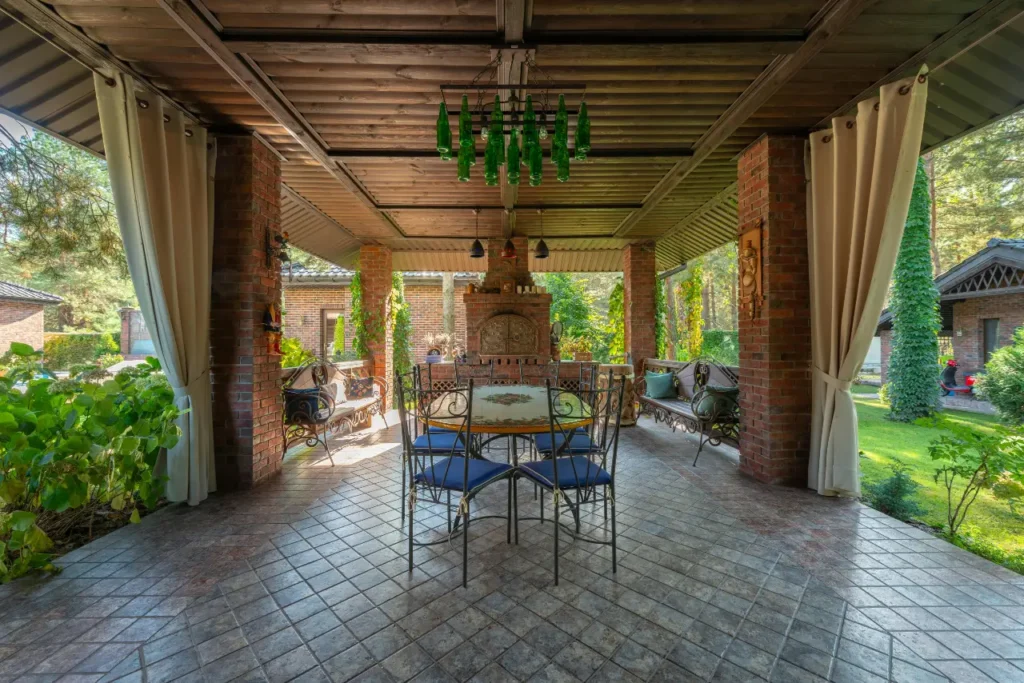
There are about six weeks every year when sitting on a Houston patio feels like a dream. The rest of the year, you are either dodging the sun, swatting mosquitoes, or running for cover from a sudden afternoon storm. That is the reality of life on the Gulf Coast, and it is exactly why a well-designed outdoor living area is one of the smartest upgrades a Houston homeowner can make.
A solid patio cover, the right materials, and a few smart features can turn a useless slab of concrete into the most-used room in your house. May is the perfect time to plan it, before the worst of the summer heat sets in and before the contractor calendars fill up for fall.
Here is how to think through an outdoor living project that actually works in Houston.
Outdoor spaces in other parts of the country deal with one or two challenges. Houston deals with all of them at once.
A patio cover that works in Phoenix or Atlanta will not necessarily work here. The materials, the design, and the details have to be planned for our specific climate.
The patio cover is the single most important piece of a Houston outdoor living space. It is what gives you usable shade, rain protection, and a place to mount fans and lights. There are four main types to choose from.
This is the workhorse for Houston homes. A solid-roof cover, often built to match your existing roofline, blocks 100 percent of the sun and 100 percent of the rain. You can sit outside during a thunderstorm and not get wet.
Solid roofs also let you add ceiling fans, recessed lighting, and even a TV without worrying about weather damage. This is usually the best choice if you want a true outdoor room.
A pergola is an open-beam structure with no solid roof. They look beautiful and define a space, but in Houston they offer limited protection. Sun still gets through, and rain definitely gets through.
Pergolas work well as a design feature over a grill area or seating spot, especially when paired with shade sails or climbing vines. Just do not expect to host dinner under one in July.
Louvered roofs are the newer option that splits the difference. Motorized aluminum slats open for breeze and close for rain. They are more expensive than a solid roof, but they give you the most flexibility.
For Houston, the appeal is real: you can open the roof on a cool spring evening and close it the instant a storm rolls in. The downside is the cost and the need for power.
A screened patio takes a covered space and adds insect screening around the perimeter. Given how aggressive Houston mosquitoes get from April through October, this is often the difference between a patio that gets used and one that does not.
Take a look at the full range of options on our patio cover and patio enclosure page to see what fits your home and budget best.
Outdoor kitchens are one of the highest-impact additions you can make to your backyard, but Houston humidity is brutal on cheap materials. A poorly built outdoor kitchen rusts out in a few seasons and looks tired before it is paid off.
A few things matter here:
If you are pairing an outdoor kitchen with an indoor renovation, our kitchen remodeling team can plan both at the same time so they flow visually and make sense as a single project.
Houston punishes the wrong materials. Here is what holds up:
Cheap outdoor furniture is one of the most common money-wasters. A $400 patio set from a big-box store often does not survive two Houston summers. Spend a little more upfront on commercial-grade pieces and you will not be replacing them every two years.
A covered patio without ceiling fans is barely a covered patio in July. Outdoor-rated fans move enough air to drop the perceived temperature by several degrees, and they also keep mosquitoes off you. Mosquitoes are weak fliers, and a steady breeze keeps them away.
For lighting, layer three sources:
For bug control, the CDC’s mosquito guidance is the gold standard. The most important step is removing standing water from your yard every week — that includes flowerpot saucers, kids’ toys, clogged gutters, and birdbaths. Mosquitoes lay eggs in water, and a covered patio next to a yard full of breeding sites is not going to help much.
Before you finalize your patio plans, look at the existing shade around your yard. The U.S. Department of Energy notes that air temperatures directly under trees can be as much as 25°F cooler than air over nearby pavement, and well-placed shade trees can reduce a home’s cooling costs significantly.
A patio placed in the path of an existing shade tree can stay cooler than a patio in direct sun, even with the same cover. If you are starting from scratch, plant fast-growing native trees on the west side of your home where the afternoon sun is the harshest.
Outdoor projects in Houston almost always require a permit. Attached patio covers, electrical work, gas lines for outdoor kitchens, and any structure over a certain size will trigger city or county requirements.
If you live in a master-planned community, your HOA likely has additional rules about materials, colors, and what you can build in your backyard. These are easy to overlook until your project is halfway done and a letter shows up.
A good remodeling contractor handles all of this for you. Our design-build services include permitting and HOA submittals as part of the project, so you are not stuck chasing paperwork.
Outdoor living projects vary wildly in cost depending on size and finishes. Rough Houston ranges:
Outdoor living additions consistently rank among the better remodeling investments for resale, especially in warm-weather markets like Houston where buyers expect usable outdoor space. More importantly, you get the value back every weekend you actually use it.
If cost is a concern, ask about our financing programs. Spreading the project over manageable monthly payments often makes more sense than waiting another summer.
ABF Remodeling has been building Houston outdoor living areas since 1999. We handle the design, permitting, construction, electrical, and finishes as one project, so you are not coordinating five different contractors. Free in-home consultations, written quotes, and flexible payment options come standard.
Browse our full outdoor living services to see what is possible, then contact our team to set up a free consultation. The sooner you start planning, the sooner you get to actually enjoy your backyard this summer.
Copyright © 2026 A Beautiful Floor, Inc. DBA ABF Remodeling. All Rights Reserved. | Privacy Policy