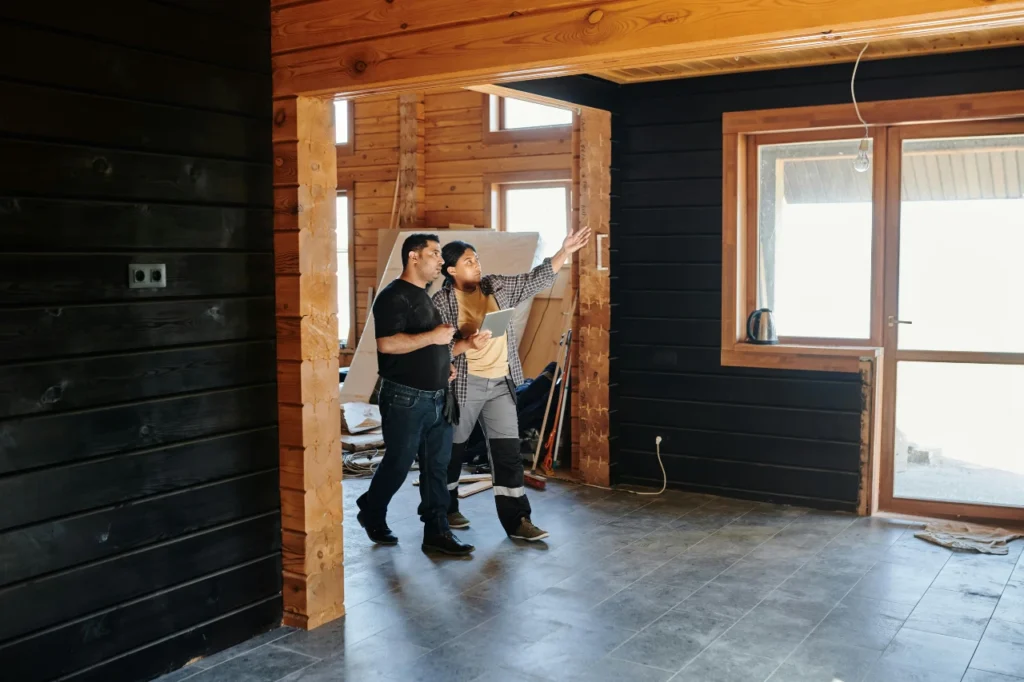
There’s something magical about old houses. The hardwood floors worn smooth by generations of footsteps. The intricate moldings crafted by skilled hands. The stories embedded in every wall and window. If you’ve fallen in love with a vintage home or are ready to breathe new life into your family’s longtime residence, you’re embarking on a rewarding journey that honors history while creating modern comfort.
Remodeling an old house presents unique challenges you won’t encounter with newer construction. Hidden structural issues, outdated systems, hazardous materials, and preservation considerations require careful planning and expert guidance. Yet with the right approach, your old house remodel transforms a charming relic into a functional, beautiful home that serves your family for decades to come.
At ABF Remodeling, we’ve successfully renovated countless historic and older homes since 1999. This comprehensive guide shares our experience and expertise, helping you navigate the complexities of old house renovation from initial assessment through final completion.
Older homes were constructed under building codes and standards that differ dramatically from today’s requirements. Homes built before 1980 often lack modern electrical capacity, proper insulation, adequate ventilation, and current safety features. When remodeling an old house, you’ll need to bring many systems up to current code while working within the constraints of existing construction.
Understanding what was permissible then versus what’s required now helps you budget appropriately and set realistic expectations for your project.
Historical construction techniques used materials and methods that modern builders rarely encounter. Lumber dimensions weren’t standardized until relatively recently, creating challenges when matching new materials to old framing. Plaster walls, horsehair insulation, knob-and-tube wiring, and cast iron plumbing require specialized knowledge to work with safely and effectively.
These unique characteristics give old houses their charm but require contractors experienced in historic renovation.
The biggest challenge when remodeling an old house is what you can’t see until demolition begins. Opening walls often reveals rotting joists, termite damage, inadequate structural support, compromised foundations, or previous DIY repairs that created new problems. According to renovation experts, unexpected discoveries are virtually guaranteed in old house projects rather than mere possibilities.
Budget contingencies of 15 to 25 percent help absorb these surprise costs without derailing your entire project.
Old houses possess architectural details and craftsmanship rarely found in modern construction. Original hardwood floors, solid wood doors, intricate trim work, and period fixtures contribute irreplaceable character. The art of remodeling an old house lies in preserving these historic elements while incorporating modern conveniences and efficiency.
Striking this balance between old and new defines successful old house renovation.
Asbestos was used extensively in home construction from approximately 1940 to 1980. This naturally occurring mineral appeared in roofing materials, insulation, flooring, adhesives, HVAC insulation, and some paints due to its excellent fire-retardant and heat-resistant properties.
Undisturbed asbestos in good condition doesn’t pose immediate danger. Problems occur when asbestos breaks down or when renovation work involves sawing, scraping, or sanding asbestos-containing materials. These activities release tiny fibers that, when inhaled, can cause severe lung diseases including mesothelioma, asbestosis, and lung cancer.
If you’re remodeling an old house built between 1940 and 1980, professional asbestos inspection is essential before beginning work. Licensed asbestos abatement contractors safely remove these materials following strict safety protocols. Never attempt asbestos removal yourself.
Homes constructed before 1978 likely contain lead-based paint. The federal government banned lead paint for residential use in 1978, but millions of older homes still have lead paint layers under newer paint applications.
Intact lead paint presents minimal risk. Danger emerges when lead paint chips, peels, or deteriorates, creating lead dust that children can ingest through normal hand-to-mouth contact. Renovation activities like sanding, scraping, or demolition generate massive amounts of lead dust if not properly contained.
Federal law requires contractors to be EPA-certified in lead-safe work practices before performing renovation, repair, or painting projects in pre-1978 homes. These certifications ensure proper containment, safe removal, and thorough cleanup that protects your family’s health.
At ABF Remodeling, our team maintains all required certifications and follows strict lead-safe protocols when working on older homes.
Foundation issues rank among the most critical and expensive challenges when remodeling an old house. Many homes built before 1940 lack adequate grading for water runoff, leading to moisture infiltration, basement flooding, and eventual foundation damage.
Warning signs of foundation problems include:
Foundation settling causes minor annoyances like sticky doors and creates serious structural problems if left unaddressed. Water infiltration through foundation cracks creates persistent moisture problems leading to mold growth and wood rot.
Professional foundation repair techniques like slabjacking, piering, or complete foundation replacement can stabilize your old house. While expensive, proper foundation work protects your entire renovation investment and ensures your home’s long-term stability.
Electrical systems in older homes can’t handle modern power demands. Homes built in the early-to-mid 1900s often feature:
Knob-and-tube wiring: This outdated system lacks grounding and poses significant fire risks. Most insurance companies won’t cover homes with active knob-and-tube wiring.
Insufficient amperage: Older homes typically have 60-amp or 100-amp service, far below the 200-amp service standard in modern homes. This limitation means you can’t run multiple appliances simultaneously without tripping breakers.
Two-prong outlets: Ungrounded outlets can’t safely power modern electronics and appliances. They also present shock hazards.
Inadequate outlets: Older building codes required far fewer outlets than today’s standards, leading to dangerous overuse of extension cords and power strips.
When remodeling an old house, electrical upgrades usually rank as essential rather than optional. Licensed electricians can:
These updates provide safety and the capacity to power your modern lifestyle.
Original plumbing in older homes presents multiple challenges:
Galvanized steel pipes: These pipes corrode from the inside out, restricting water flow and eventually failing completely. Replacing galvanized pipes prevents water damage and improves water pressure.
Cast iron drain pipes: While durable, century-old cast iron eventually corrodes and develops leaks. Modern PVC or ABS drainage systems provide reliable long-term performance.
Outdated fixtures: Original plumbing fixtures often leak, waste water, and lack the efficiency of modern equivalents.
Inadequate water supply: Old houses may have undersized water supply lines that can’t support multiple simultaneous fixtures.
Plan for comprehensive plumbing updates when remodeling an old house, especially if you’re opening walls for other work. Addressing plumbing while you have wall access saves enormous expense versus tearing into finished walls later.
Old houses often struggle with moisture problems. Many lack proper ventilation, creating humidity buildup that promotes mold growth and wood rot. Basement moisture, attic condensation, and inadequate bathroom ventilation plague older homes.
That musty smell characteristic of many old houses signals ongoing moisture problems. While dehumidifiers help, lasting solutions require addressing root causes:
Mold remediation may be necessary before proceeding with renovation work. Professional mold assessment and removal protect your family’s health and prevent ongoing problems.
Opening walls during old house renovation often reveals structural problems:
Structural engineers assess discovered problems and design appropriate solutions. While adding costs to your project, proper structural repairs ensure your home’s safety and longevity.
Most older homes feature minimal insulation by modern standards. Many have no insulation in walls, limited attic insulation, and no basement or foundation insulation. This makes old houses drafty, expensive to heat and cool, and uncomfortable year-round.
Modern insulation dramatically improves comfort and reduces energy costs. When remodeling an old house, insulation upgrades provide substantial return on investment through reduced utility bills and increased comfort.
Consider:
Professional energy audits using thermal imaging identify specific areas where your home loses energy, allowing targeted improvements.
The greatest challenge when remodeling an old house is preserving its soul while creating livable modern space. This requires thoughtful decisions about what to save, what to update, and how to integrate new elements respectfully.
Certain features define your old house’s character and deserve preservation:
Original hardwood floors: These can usually be refinished to beautiful condition. Old-growth wood floors possess quality impossible to replicate affordably today.
Period moldings and trim: Intricate crown molding, baseboards, and door casings contribute enormously to historic character. Preserve and restore these details whenever possible.
Original doors and hardware: Solid wood doors with vintage hardware, glass doorknobs, and hand-forged hinges add authentic period charm.
Architectural details: Features like built-in shelving, window seats, wainscoting, and decorative plasterwork make your old house unique.
Vintage fixtures: Clawfoot tubs, pedestal sinks, and original light fixtures can often be restored rather than replaced.
Some elements need updating for safety, efficiency, and modern living:
All electrical and plumbing systems: Never compromise on these safety-critical systems.
Windows: While original windows have charm, modern energy-efficient windows can be designed to match historic profiles while dramatically improving comfort and reducing energy costs.
Insulation: There’s no debate here. Modern insulation makes old houses comfortable and affordable to operate.
HVAC systems: Central heating and cooling transformed from luxury to necessity. Modern systems can be integrated sensitively.
Kitchen and bathrooms: These spaces need to function for modern life. Updates here provide the best return on investment.
Work with designers and contractors experienced in historic renovation. They understand techniques like:
The goal is creating homes that feel cohesive rather than jarring combinations of old and new elements.
Remodeling an old house costs more than updating newer construction. According to 2025 data, comprehensive old house renovations typically range from $100 to $200 per square foot, with costs climbing to $400 per square foot for historically significant properties requiring specialized restoration.
For a 2,000-square-foot old house, expect renovation costs between $200,000 and $400,000 for complete remodeling including all systems, kitchen, bathrooms, and cosmetic updates.
These costs reflect the reality that old house renovation goes beyond cosmetic updates. You’re addressing decades of deferred maintenance, updating fundamental systems, and solving problems that accumulated over generations.
Kitchen remodeling: $30,000 to $80,000
Bathroom renovations: $15,000 to $40,000 per bathroom
Electrical system overhaul: $8,000 to $20,000
Plumbing replacement: $5,000 to $15,000+
Foundation repairs: $2,000 to $30,000+
Roof replacement: $8,000 to $25,000
HVAC installation: $5,000 to $15,000
Asbestos/lead abatement: $1,500 to $15,000+
Contingency reserve: 15-25% of total budget
Beyond obvious renovation costs, budget for:
Remodeling an old house takes longer than renovating newer construction. Standard timelines include:
Allow extra time for:
Rushing old house renovation leads to poor workmanship and overlooked problems. Quality work takes time, especially when preserving historic character while upgrading systems.
Not all contractors have experience or expertise for old house renovation. Look for:
Proven old house experience: Review portfolios showing completed historic and vintage home projects. Ask specifically about challenges encountered and how they were resolved.
Lead-safe and asbestos certifications: EPA lead-safe renovation certification and asbestos awareness training are essential for anyone working on pre-1980 homes.
Structural expertise: Contractors should have relationships with structural engineers or employ staff with structural knowledge.
Problem-solving skills: Old house renovation requires creative solutions to unexpected challenges.
Preservation knowledge: For historic homes, contractors should understand period-appropriate materials and techniques.
Proper licensing and insurance: Verify contractor licenses, liability insurance, and workers’ compensation coverage.
At ABF Remodeling, we bring more than 25 years of experience working with older homes. Our team understands the unique challenges these properties present and has the expertise to address them properly while respecting your home’s historic character.
Old house remodeling requires significant investment. Financing options include:
Home equity loans provide lump sums at fixed interest rates, ideal for projects with known costs. You repay in fixed monthly installments over set terms.
HELOCs function like credit cards secured by your home equity. You borrow as needed during renovation, paying interest only on amounts used. This flexibility helps manage unexpected costs common in old house projects.
Refinancing your mortgage for more than you owe and taking the difference as cash can provide renovation funds, potentially at lower interest rates than other options.
Personal loans for home improvement don’t require home equity but typically carry higher interest rates. They work well for smaller projects or homeowners without sufficient equity.
Special mortgage products like FHA 203(k) or Fannie Mae HomeStyle loans roll renovation costs into your home purchase, ideal if you’re buying an old house to remodel.
ABF Remodeling offers flexible financing options that make old house renovation more accessible, helping you spread costs over manageable timeframes.
Old houses are notoriously inefficient. Poor insulation, air leaks, single-pane windows, and outdated HVAC systems make them expensive to heat and cool. Energy upgrades dramatically improve comfort while reducing monthly utility costs.
Start with an energy audit: Professional auditors use blower door tests and thermal imaging to identify your home’s biggest energy losses. This data-driven approach targets improvements delivering maximum benefit.
Air sealing first: Sealing gaps, cracks, and air leaks often provides better return on investment than any other upgrade. Focus on attic bypasses, basement rim joists, window and door trim, and penetrations for utilities.
Insulation upgrades: Add insulation to attics, walls, and foundations. Blown-in insulation works well for existing wall cavities. Spray foam provides excellent air sealing plus insulation.
Window replacement: Energy-efficient windows reduce heat loss/gain dramatically. Modern windows can match historic profiles while delivering contemporary performance.
HVAC modernization: High-efficiency heating and cooling systems use substantially less energy than older equipment. Proper sizing ensures optimal performance.
LED lighting: Replace all lighting with LEDs, reducing electrical consumption and heat generation.
Energy improvements pay for themselves through reduced utility bills. Many improvements qualify for federal tax credits or state rebates, improving economics further.
If your old house has historic designation (National Register, local historic district), additional requirements affect renovation:
Exterior alterations require approval: Historic preservation boards review proposed exterior changes to ensure historical appropriateness.
Material requirements: Some work must use period-appropriate materials and techniques.
Documentation requirements: Detailed plans and justifications may be necessary for approval.
Professional expertise: You may need preservation specialists or architects familiar with historic review processes.
While adding complexity, historic designation offers advantages:
Experienced preservation contractors navigate historic requirements while achieving your functional goals. They understand:
Despite challenges, remodeling an old house offers unique rewards:
Old houses possess charm and character impossible to replicate in new construction. Original craftsmanship, quality materials, and architectural details create warm, interesting spaces with genuine history.
Old houses were often built with superior materials. Old-growth lumber, solid plaster walls, and quality craftsmanship mean these homes’ bones are often more solid than newer construction.
Unlike cookie-cutter modern homes, old houses feature distinctive layouts, interesting room proportions, and unexpected nooks that give them personality.
Old houses typically sit in mature neighborhoods with established trees, walkable amenities, and strong community character.
Preserving existing structures is inherently more sustainable than demolition and new construction. Remodeling an old house saves the embodied energy in existing materials while keeping construction waste from landfills.
Successfully renovating an old house creates profound satisfaction. You’re not just creating a home; you’re preserving history and craftsmanship for future generations.
Comprehensive old house remodeling typically costs $100 to $200 per square foot, with costs potentially reaching $400 per square foot for historic properties requiring specialized restoration. For a 2,000-square-foot home, expect $200,000 to $400,000 for complete renovation including all systems, kitchen, bathrooms, and cosmetic updates. Costs exceed newer home renovations due to addressing deferred maintenance, updating fundamental systems, remediating hazardous materials, and solving structural problems. Always budget an additional 15 to 25 percent contingency for unexpected discoveries common in old house projects.
The biggest challenges include hazardous materials (asbestos and lead paint requiring professional abatement), outdated electrical and plumbing systems needing complete replacement, foundation problems from decades of settling, hidden structural issues discovered during demolition, and balancing historic character preservation with modern functionality. Old houses also present unique construction methods and non-standard materials that require specialized expertise. Unlike newer homes, virtually all old house renovations encounter unexpected problems that weren’t visible before opening walls, making contingency budgets essential.
This decision depends on several factors. Renovate if your home has strong structural bones, significant historic or architectural value, character worth preserving, and renovation costs remain reasonable relative to home value. Consider tearing down if foundation damage is severe and expensive to repair, structural problems are extensive throughout, hazardous material abatement costs are extreme, or renovation costs approach 75 percent or more of comparable new construction. A thorough inspection and cost analysis from experienced contractors helps inform this decision. Many old houses well worth saving reward owners with unique character impossible to replicate.
Old house remodeling timelines depend on project scope. Modest single-room updates take one to three months. Moderate renovations including kitchen and bathroom updates plus some systems work require three to six months. Comprehensive renovations addressing multiple systems, structural work, and multiple rooms take six to twelve months. Extensive gut renovations or historic preservation projects can exceed twelve months. Add extra time for environmental remediation, historic preservation approvals if applicable, structural repairs discovered during work, and custom millwork. Rushing old house renovation compromises quality and overlooks important problems, so proper timelines ensure lasting results.
Yes, most old house renovation work requires building permits. Electrical system upgrades, plumbing modifications, structural changes, and HVAC installations all require permits and inspections. Permit costs typically range from $500 to $5,000 depending on project scope. If your home has historic designation, additional approvals from preservation boards may be necessary for exterior alterations. Lead paint and asbestos work may require special notifications and certified contractors. Working with experienced contractors ensures proper permits are obtained and work meets all code requirements. Never skip permits to save money, as unpermitted work creates problems during future sales and may not be covered by insurance.
Remodeling an old house combines challenges with tremendous rewards. While you’ll encounter unexpected issues, navigate complex systems upgrades, and balance preservation with modernization, the result is a beautiful, comfortable home rich with character and history.
Success requires careful planning, realistic budgets, experienced contractors, and patience for the process. With proper preparation and the right team, your old house transformation creates a space that honors its past while serving your family’s needs for generations to come.
At ABF Remodeling, we bring more than 25 years of experience to old house renovation projects. Our comprehensive services include:
Contact ABF Remodeling today at 281-855-3400 or visit our showroom at 8719 Hwy 6 N, Houston, TX 77095. Let’s discuss your old house and create a renovation plan that respects its history while creating the home you’ve always wanted.
Transform your old house with ABF Remodeling – where experience meets expertise in creating beautiful, functional homes from historic structures.
Copyright © 2026 ABF Remodeling | All Rights Reserved | Privacy Policy | Designed by THECLAYMEDIA