
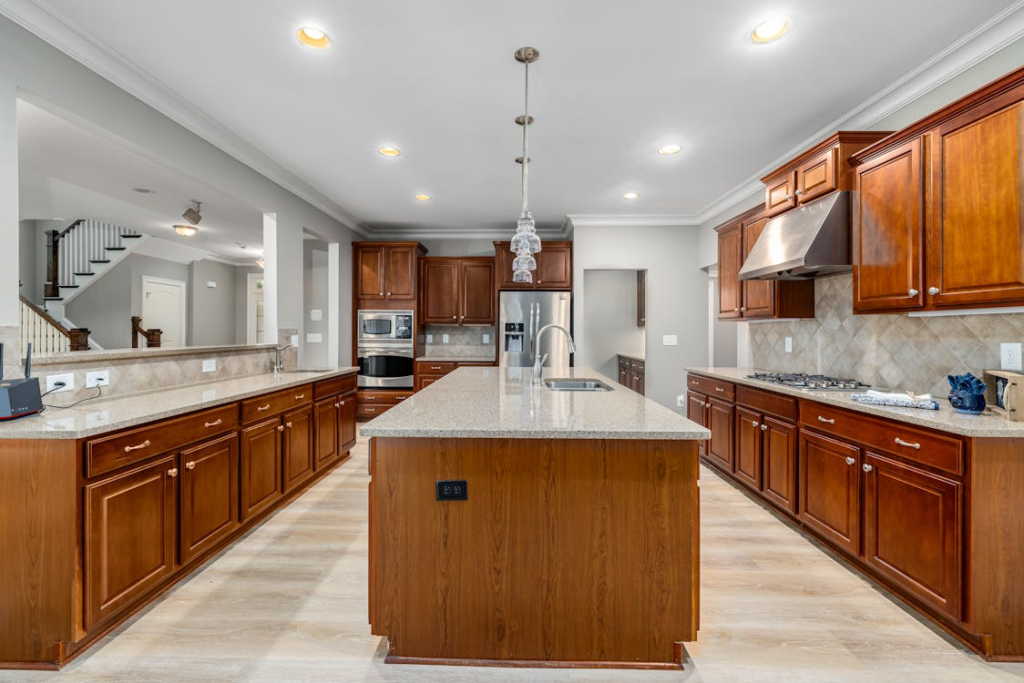
A kitchen island transforms your cooking space from ordinary to extraordinary. It provides extra counter space for meal prep, creates additional storage, offers seating for casual dining, and serves as the natural gathering spot where family and friends congregate. Whether you’re planning a complete kitchen remodel or adding an island to your existing layout, understanding the design fundamentals ensures you create a functional, beautiful centerpiece that serves your needs perfectly.
At ABF Remodeling, we’ve designed and installed countless custom kitchen islands. In this comprehensive guide, we’ll walk you through everything you need to know about kitchen island design, from sizing and placement to storage features and installation requirements.
The primary benefit of a kitchen island is the extra countertop space it provides. Food preparation becomes easier when you have dedicated space for chopping vegetables, mixing ingredients, and assembling meals. Islands create a central work zone that keeps frequently used items within easy reach.
For home cooks who love entertaining, islands provide the perfect spot to arrange appetizers, set up a buffet, or let guests help with meal preparation while staying part of the conversation.
Kitchen storage never seems sufficient. An island adds substantial cabinet and drawer space for storing cookware, small appliances, pantry items, and kitchen gadgets. Well-designed island storage keeps your kitchen organized and clutter-free while putting essentials exactly where you need them.
Kitchen islands with seating create an inviting spot for quick breakfasts, homework sessions, or casual conversation while cooking. Bar-height seating encourages family members and guests to gather in the kitchen, making it the heart of your home.
According to the National Kitchen & Bath Association (NKBA), kitchen remodels including quality islands typically provide excellent return on investment. Potential homebuyers consistently rank kitchen islands among their most desired features.
In open floor plan homes, islands create natural boundaries between kitchen and living areas without blocking sight lines or conversation flow. They help define functional zones while maintaining the open, airy feel that makes modern homes so appealing.
According to NKBA guidelines, a functional kitchen island should measure at least 36 inches long and 24 inches deep. This minimum size provides enough workspace for light food preparation without overwhelming your kitchen.
However, most homeowners find that slightly larger islands around 48 inches long by 24 to 30 inches deep offer better functionality for everyday cooking tasks.
The typical kitchen island measures approximately 4 feet long by 2 feet deep. This size works well in most standard kitchens, providing useful workspace without creating traffic flow problems.
Larger kitchens can accommodate bigger islands measuring 6 to 8 feet long and 3 to 4 feet deep, creating substantial work and storage space plus comfortable seating areas.
Kitchen islands wider than 5 feet can become problematic. The center of very wide islands becomes difficult to reach from either side, leaving items and crumbs stranded in the middle. This “dead zone” creates cleaning challenges and wastes potentially useful space.
If you need extensive island space, consider longer designs rather than excessively wide ones, or explore two separate islands if your kitchen layout allows.
Standard kitchen island height matches base cabinet height at 36 inches. This height creates a comfortable work surface for most adults and maintains visual continuity with your surrounding countertops.
Multi-level islands feature raised sections at bar height (42 inches) or counter height (36 inches) depending on function. Bar-height sections provide comfortable seating while standard-height areas maximize workspace.
The NKBA recommends at least 42 inches of clearance around your island for comfortable movement. This spacing allows one person to work efficiently, opening cabinet doors and appliances without feeling cramped.
For kitchens where multiple cooks work simultaneously, increase clearance to 48 inches. This extra space prevents the awkward dance of trying to pass each other in tight quarters while carrying hot pans or sharp knives.
If your island sits in a pathway that people use to pass through the kitchen rather than work in it, 36 inches of clearance suffices. This measurement allows comfortable passage without interfering with the cook’s workspace.
When your island faces appliances like dishwashers, ovens, or refrigerators, plan for appliance doors to open fully. A minimum 48-inch clearance ensures dishwasher doors or oven doors can open completely while still leaving room to walk past safely.
Nothing frustrates cooks more than being unable to fully open an appliance door because the island is too close.
Provide 24 inches of counter width per person for comfortable seating. This spacing gives each diner adequate elbow room for eating without bumping into neighbors.
For example, a 6-foot island can comfortably accommodate three seated individuals with 24 inches each.
The amount of countertop overhang needed depends on counter height. According to NKBA standards:
30-inch height: 18-inch overhang for knee clearance 36-inch height: 15-inch overhang for comfortable seating 42-inch height: 12-inch overhang for bar stool seating
These measurements ensure adequate knee space so seated individuals feel comfortable rather than cramped against the island’s edge.
Large overhangs require proper support to prevent countertop sagging or cracking. Overhangs exceeding 12 inches typically need corbels, brackets, or support legs. Your countertop material and thickness determine exact support requirements.
Granite and quartz countertops are heavy and strong but still need support for large overhangs. Consult with your remodeling contractor about proper support based on your specific materials and design.
The kitchen work triangle connects your three primary work centers: the sink, cooking surface, and refrigerator. This design concept, established decades ago, still guides efficient kitchen layouts.
According to NKBA guidelines, the sum of the three triangle legs should measure 26 feet or less. Each individual leg should measure between 4 and 9 feet. This sizing prevents kitchens from feeling too spread out or too cramped.
Your island can include one of the triangle points, such as the cooktop or prep sink, without disrupting workflow efficiency. However, the island should not interrupt the triangle by more than 12 inches, which would force unnecessary detours around the island for basic cooking tasks.
Major traffic paths should not cross through the work triangle. Islands positioned thoughtfully maintain efficient workflow while adding functionality.
Deep drawers excel at storing pots, pans, mixing bowls, and large serving pieces. Unlike traditional cabinets where items stack and become difficult to access, drawers allow you to see everything at a glance and grab what you need without moving other items.
Consider soft-close drawer slides for quiet operation and drawer dividers to keep contents organized.
Pull-out shelves bring items at the back of cabinets within easy reach. These maximize storage efficiency, especially in deeper islands where items can get lost in the back of standard shelves.
Specialized organizers for spices, cutting boards, baking sheets, and utensils keep frequently used items neat and accessible.
Open shelves on the island’s back or sides provide display space for cookbooks, decorative bowls, or frequently used items. Baskets or bins on open shelves maintain a tidy appearance while offering flexible storage.
Open shelving works particularly well when the island faces the dining or living area, creating an attractive display rather than presenting plain cabinet backs.
Built-in wine racks or wine refrigerators make excellent island features for wine enthusiasts. These dedicated storage solutions keep bottles at proper temperature and within easy reach for entertaining.
Custom wine racks can be designed to hold your collection size, whether that’s a dozen bottles or several dozen.
Appliance garages conceal small countertop appliances like coffee makers, toasters, or mixers. These cabinets keep appliances accessible but hidden when not in use, maintaining clean sight lines and reducing visual clutter.
Some appliance garages include built-in electrical outlets so appliances remain plugged in and ready to use.
Built-in waste bins keep garbage and recycling out of sight. Pull-out trash systems make disposal convenient while maintaining your kitchen’s aesthetic appeal. Multiple bins allow for easy separation of trash, recycling, and compost.
Some homeowners integrate microwaves into island cabinetry, freeing up counter space or replacing a dated over-the-range microwave. This works best with drawer-style microwaves or when the island includes a raised bar section for mounting the microwave.
For pet owners, built-in feeding stations with roll-out food and water dishes keep pet supplies organized and contained. Storage for pet food bags and supplies keeps everything in one convenient location.
Islands with seating on one side maintain maximum workspace on the other sides. This configuration works well when the island includes a cooktop or sink on one side, with seating on the opposite side for conversation without interfering with cooking.
Larger islands can accommodate seating on two sides, creating a more social environment. This design works beautifully for families who enjoy gathering in the kitchen or for frequent entertainers.
Placing seating at the island’s end rather than along the sides maximizes cabinet space along the island’s length. This approach works particularly well in galley kitchens where side seating might block traffic flow.
For a unique approach, consider built-in bench seating at one end of a larger island. This creates a cozy breakfast nook feel and can include storage beneath the bench seats.
Adding a prep sink or cleanup sink to your island requires careful planning. You’ll need to consider plumbing access, which typically means running lines through the floor or basement.
Sinks positioned in islands work best when they face the living area, allowing the person washing dishes to stay part of family activities and conversation.
Island cooktops create dramatic focal points and keep the cook engaged with family and guests. However, this placement requires proper ventilation with a downdraft system or overhead hood.
NKBA guidelines require countertop landing areas on both sides of cooking surfaces. For island cooktops, provide at least 12 inches of counter space on one side and 15 inches on the other for safe hot pan placement.
The countertop should extend at least 9 inches behind an island cooking surface if the counter height matches the cooktop height, providing protection from accidental contact with hot burners.
Adding appliances or sinks to islands involves significant electrical and plumbing work. Always hire licensed professionals to ensure proper installation and code compliance.
The National Electrical Code (NEC) made significant changes in 2023 regarding island electrical outlets. Previous code versions required specific numbers of outlets based on island size, but current code makes island outlets optional while addressing safety concerns.
The updated code no longer allows outlets mounted on island sides below the countertop. This change came after numerous reports of injuries when appliance cords were pulled accidentally, causing hot contents to spill.
If you choose to include electrical outlets in your island, they must be installed in one of these approved locations:
On or above the countertop: No more than 20 inches above the counter surface In the countertop: Using listed pop-up receptacle assemblies In the work surface: Using assemblies specifically listed for work surface installation
Even if you elect not to install outlets initially, provisions must be made for future installation. This typically means running electrical wiring to a junction box inside the island cabinet, allowing outlets to be added later without major renovation.
All kitchen island outlets require Ground Fault Circuit Interrupter (GFCI) protection. This safety feature prevents electrical shock by immediately shutting off power when ground faults are detected.
Quartz: Engineered quartz combines natural quartz with resins to create durable, low-maintenance surfaces. Quartz resists staining, never requires sealing, and offers countless color and pattern options. It’s ideal for busy kitchens where easy care matters.
Granite: Natural granite provides unique veining and character. While it requires periodic sealing, granite’s natural beauty and durability make it enduringly popular. Each slab is one-of-a-kind.
Marble: Elegant marble creates luxurious aesthetics but requires more maintenance than other options. It’s softer and more porous, making it better suited for islands used primarily for serving and dining rather than heavy food prep.
Butcher Block: Wood countertops bring warmth and texture to islands. Butcher block excels as a cutting surface and develops character over time. It requires regular oiling to prevent drying and cracking.
Concrete: Custom concrete countertops offer industrial-chic aesthetics and complete design flexibility. Concrete can be colored, textured, and formed into unique shapes, though it requires sealing and careful maintenance.
Solid Wood: Nothing matches the beauty and durability of solid wood cabinetry. Popular species include oak, maple, cherry, and walnut, each offering distinct grain patterns and color tones.
Painted Finishes: Painted cabinets allow unlimited color possibilities. Current trends include warm grays, soft whites, navy blue, sage green, and dramatic charcoal tones.
Two-Tone Designs: Combining different cabinet colors creates visual interest. Islands in contrasting colors from perimeter cabinets serve as striking focal points.
Glass-Front Cabinets: Glass doors on island cabinets showcase dishware or glassware collections while adding reflective surfaces that enhance light.
Traditional kitchen islands feature raised panel doors, ornate corbels, decorative moldings, and classic wood finishes. These timeless designs complement traditional and transitional kitchen styles beautifully.
Furniture-style islands with turned legs and decorative details create the appearance of a freestanding piece rather than built-in cabinetry.
Clean lines, flat-panel doors, minimal hardware, and sleek finishes define modern island design. Handleless cabinets with push-to-open mechanisms maintain streamlined aesthetics.
Waterfall countertops, where the countertop material flows down the sides to the floor, create dramatic modern statements.
Farmhouse kitchens often feature islands with open shelving, beadboard panels, rustic wood finishes, and vintage-inspired hardware. These islands emphasize casual, welcoming aesthetics.
Industrial-style islands incorporate materials like metal, concrete, reclaimed wood, and exposed hardware. These designs celebrate raw, utilitarian beauty.
Islands with multiple counter heights create distinct zones. Standard-height sections maximize workspace while raised sections provide bar seating or conceal sink and cooktop messes from dining areas.
Custom kitchen islands offer perfect fit for your specific space, unlimited design possibilities, optimized storage for your needs, and quality craftsmanship. While custom islands cost more initially, they deliver exactly what you envision.
ABF Remodeling specializes in custom cabinet design and construction, creating islands tailored precisely to your requirements and style preferences.
Pre-fabricated islands cost less than custom builds and are available for immediate installation. However, they offer limited size options, standardized features, and may not fit your space perfectly.
Stock islands work well for straightforward needs in standard kitchen layouts but can’t accommodate unique dimensions or specialized storage requirements.
Semi-custom options provide a middle ground, offering some customization of stock products. You can often select finishes, modify dimensions within ranges, and choose certain features while maintaining more reasonable costs than fully custom builds.
Several elements influence kitchen island costs:
Size: Larger islands require more materials and labor Materials: Countertop and cabinet material choices significantly impact pricing Features: Appliances, sinks, electrical work, and specialized storage add costs Construction: Custom builds cost more than stock islands Installation: Professional installation ensures proper fit and function
Basic stock islands with simple countertops start around $500 to $1,500. Mid-range islands with quality materials and standard features typically run $2,000 to $6,000. High-end custom islands with premium materials, appliances, and extensive features can exceed $10,000.
ABF Remodeling offers financing options to make your dream kitchen achievable. We provide flexible payment plans that allow you to invest in quality without straining your budget.
Kitchen islands are heavy, especially when constructed with solid wood cabinets and stone countertops. Your floor must adequately support this weight. Most residential floors handle island weight without issues, but older homes or spaces with floor weaknesses may require reinforcement.
Islands must be securely fastened to prevent tipping, particularly if they include seating where people might lean. Proper anchoring ensures safety and stability.
Running electrical wiring, plumbing lines, and gas lines to islands requires cutting into floors. This work must be done carefully to avoid damaging joists, existing utilities, or radiant floor heating systems if present.
If you’re adding an island to an existing kitchen, consider whether you’ll extend current flooring under the island or create a defined footprint. Extending flooring provides flexibility for future layout changes but adds material costs.
Pendant lights suspended over islands provide both task lighting and decorative impact. Three pendants work well over longer islands, while single large pendants suit smaller islands.
Hang pendants approximately 30 to 36 inches above the countertop for optimal lighting without blocking sight lines across the island.
Track lighting offers flexibility, allowing you to direct light exactly where needed. Modern track systems come in sleek designs that complement contemporary kitchens.
Recessed can lights provide general illumination without visual bulk. Space them approximately 3 feet apart for even coverage over the island surface.
If your island includes upper cabinets or shelving, under-cabinet lights enhance both task lighting and ambiance.
The most common island mistake is inadequate clearance around it. Measure carefully and follow minimum clearance guidelines to prevent a cramped, frustrating kitchen.
Don’t let your island disrupt efficient workflow. Consider how it affects movement between sink, stove, and refrigerator.
Maximize your island’s storage potential by thoughtfully planning cabinet and drawer configurations for your specific needs rather than accepting generic layouts.
Consider your electrical needs before installation. Adding outlets after construction is expensive and disruptive.
While aesthetics matter, functionality should drive island design. Beautiful islands that don’t serve practical needs waste valuable kitchen space.
If including seating, ensure adequate overhang and knee space. Uncomfortable seating won’t get used regardless of how attractive it looks.
Follow manufacturer guidelines for your specific countertop material. Quartz and granite require different care than butcher block or marble.
Wipe cabinet faces regularly with appropriate cleaners for your finish. Painted cabinets need gentle cleaning to prevent dulling or damage.
Tighten loose handles and pulls periodically. Clean hardware with appropriate products to maintain finish and prevent buildup.
Clean and inspect bar stools or chairs regularly. Tighten any loose components and address wear promptly.
The ideal kitchen island size depends on your kitchen dimensions and usage needs. Most islands measure 4 to 6 feet long and 2 to 3 feet deep, providing useful workspace without overwhelming the kitchen. Follow the 42-inch clearance rule on all sides (48 inches for multiple cooks) to ensure comfortable movement. Your island should enhance workflow rather than hinder it, so measure carefully before committing to dimensions. Professional design consultation helps determine the optimal size for your specific space and cooking style.
Custom kitchen island costs vary widely based on size, materials, features, and complexity. Basic custom islands start around $2,000 to $3,000, while elaborate designs with premium materials, appliances, and extensive storage can exceed $15,000. Countertop material significantly impacts cost, with laminate being most affordable and marble or thick quartz being premium choices. Adding sinks, cooktops, or electrical outlets increases costs. At ABF Remodeling, we work within your budget to create beautiful islands that meet your needs without unnecessary expenses.
Adding an island to an existing kitchen is often possible if you have adequate space. You need minimum 42-inch clearances around the proposed island, which requires kitchens of approximately 13 by 13 feet or larger. Smaller kitchens might accommodate narrow islands or mobile carts. Consider whether you want electrical outlets, plumbing, or appliances in your island, as these require professional installation and may involve cutting into flooring. Professional assessment helps determine feasibility and identify any structural considerations for your specific kitchen.
Under current electrical code (2023 NEC), kitchen island outlets are optional rather than required. However, if you choose to install outlets, they must be placed on or above the countertop, in the countertop using pop-up assemblies, or in the work surface using approved assemblies. Side-mounted outlets below countertop level are no longer permitted due to safety concerns. Even without outlets, provisions (typically a junction box with wiring) must be installed to allow future outlet addition. Many homeowners appreciate the convenience of island outlets for small appliances.
The best countertop material depends on your priorities and usage. Quartz offers excellent durability, stain resistance, and low maintenance, making it ideal for busy families. Granite provides natural beauty with good durability but requires periodic sealing. Butcher block creates a warm, traditional appearance and functions well for food prep but needs regular maintenance. Marble delivers luxury aesthetics but requires careful maintenance and works better for serving areas than heavy-use prep zones. Consider your cooking style, maintenance preferences, and aesthetic goals when selecting materials.
A well-designed kitchen island elevates your entire kitchen, providing additional workspace, valuable storage, casual seating, and a stunning focal point. Whether you’re planning a complete kitchen remodel or adding an island to your existing layout, thoughtful planning ensures your investment delivers both beauty and functionality for years to come.
At ABF Remodeling, we’ve been creating beautiful, functional kitchens since 1999. Our comprehensive services include:
Contact ABF Remodeling today at 281-855-3400 or visit our showroom at 8719 Hwy 6 N, Houston, TX 77095. Let’s design the perfect kitchen island for your home and create the gathering space your family deserves.
Experience the ABF Remodeling difference – where expert design meets quality craftsmanship for all your home remodeling needs.
Copyright © 2026 ABF Remodeling | All Rights Reserved | Privacy Policy | Designed by THECLAYMEDIA